An experience that will spoil you like no other.
Most people have never tasted truly fresh, high-quality coffee. This may or may not surprise you, but it’s actually more challenging than you might think to get fresh coffee into your cup.
The reality is, the logistics of delivering that morning cup into your hands can be quite a lengthy and logistically challenging process.
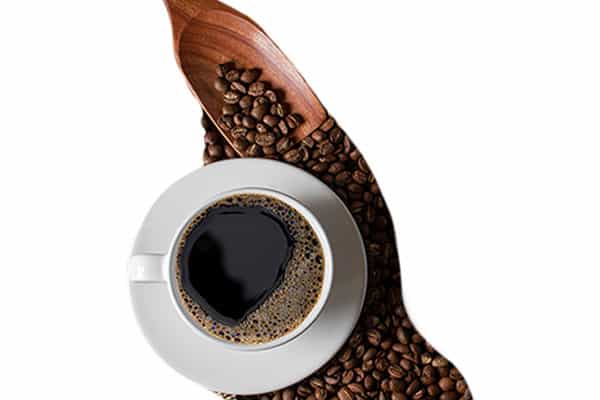
Let’s take a dive into what makes that cup of coffee terrible or remarkable. Much of it has little to do with you, and more to do with everything that occurs before arriving in your hands. It is said that a cup of coffee can be ruined at any point from the tree all the way to the cup. For example, if the bean during harvesting is processed poorly, fermented too long, dried too long, or shipped on a transport with cattle, all can have negative effects on the flavor of your cup. While all of this is true to some degree, most of the noticeable difference comes in only two things. The quality of the bean, and the freshness of the roast. While a whole gamut of other errors can contribute to bad coffee, these two are perhaps the most noticeable.
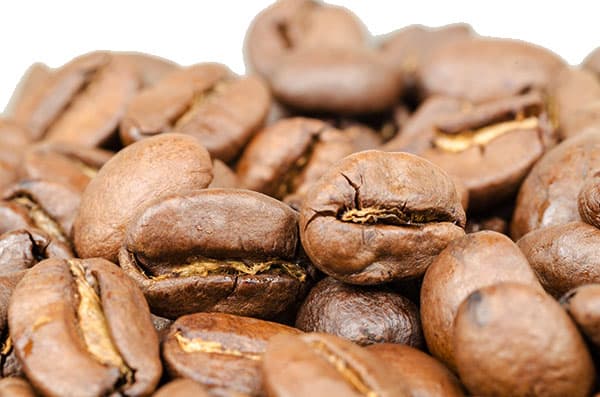
In many countries that produce high quality coffee, such as the oft-heard Colombia, Kenya, and Sumatra… the really good coffees, the coffees that the country partially depends on for their GDP, usually gets exported to countries that are willing to pay a premium for it. Some of this left over coffee not exported is either consumed internally inside that country, or in some cases sold very cheaply to large coffee roasters. (Think about some of the $3 coffees in gallon sized cans).
If you’re buying coffees for less than $5 a pound at the supermarket, it’s a fair bet that those coffees are lower grade coffees than what you could potentially purchase. After all, a high quality grade 1 or 2 coffee could cost the roaster $2-$4 per pound in its raw state. Imagine for a moment that if high-quality coffee costs $2-$4 a pound before it’s even processed, anyone who sells coffee for $-$5 a pound is either selling you really bad coffee, or is making mere pennies on it. These types of coffees are commonly available in supermarkets, and is going to be not a great coffee to begin with
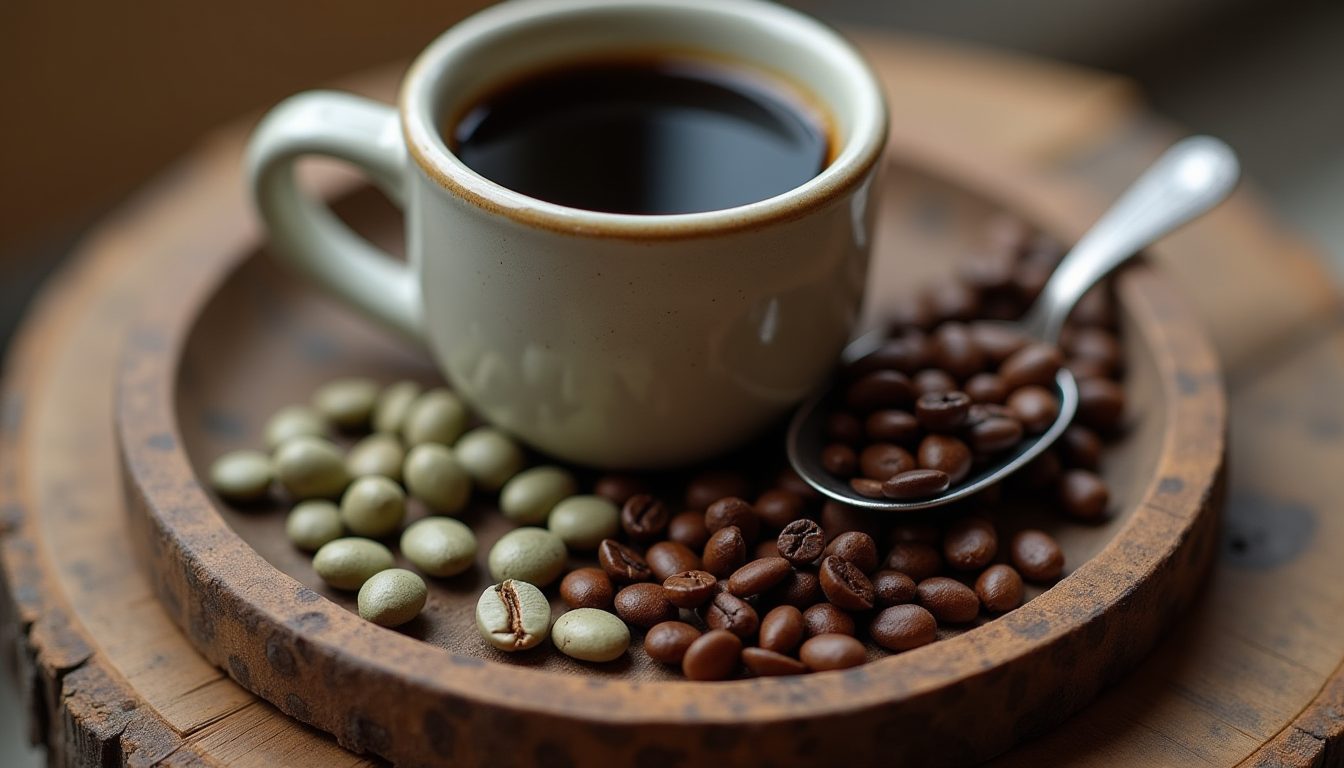
Some very popular national brands will purchase very cheap coffee in the country of origin for pennies on the dollar. This coffee has loads of visible defects in it, from dead beans, to bits of wood and even a few beans that have been sampled by insects. Yep, faithful reader and fellow coffee drinker, insects… “Hey, don’t they clean that up?” Yes, for the most part, it’s true the coffee is sanitized to the best degree possible.
The important part, is that most of this kind of coffee is then roasted darkly, and the result is a bitter concoction, with millions in advertising thrown behind it to convince you that this coffee is the best you can buy. I’m not naming names here, but you know who I mean if you think about it for just a moment. This is our first challenge to overcome. Getting high-quality coffee in the first place.
So while our first challenge it getting a high quality and grade of coffee, the second is freshness of roast. No matter how high the quality of a coffee, any freshly roasted coffee will begin to deteriorate in freshness and begin going stale after it’s roasted.
Coffee hits peak freshness only 24-48 hours after the roast. This, primarily is why it's so hard to get coffee that's fresh and why so few have actually tasted it.
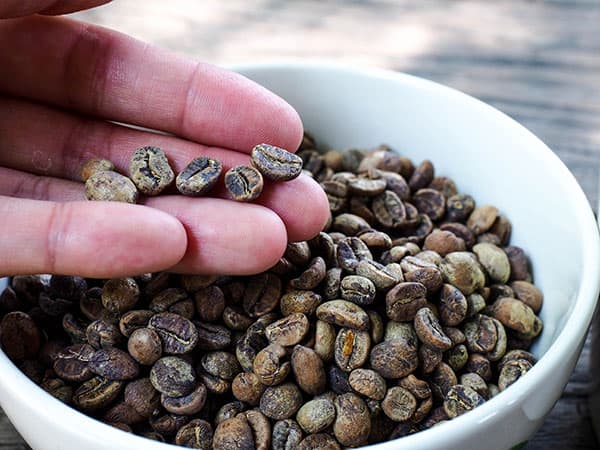
After the 48 hour mark, coffee begins a slow slide to staleness by about the 2-3 month mark. Many of the coffees at the supermarket were roasted, in many cases, even 6 months previous. So, it’s really difficult to get a fresh roasted coffee at the local super market.
So where, pray-tell can you get a perfectly roasted, high-quality, fresh cup of coffee? There are a few ways to get this seemingly impossible feat into your cup. At RK Drums, we teach people to roast their own coffee, and it’s a lot easier than you think. A great many of our customers actually roast their own coffee right at home, and just for themselves and their family. You can too! Contact us with the chat at lower right, call us, or email us to ask how we might help you roast your own fresh coffee right at home!
We love to promote our customers and roasters. If you’d like to purchase a fresh, high quality coffee from one of our roasters, you can one at the Coffee Roasters Directory. This is where we highlight roasters who excel at putting high-quality, fresh-roasted coffee into your hands, ideally within 96 hours.