Welcome to the new RK Drums website. A new, faster experience. Your account was migrated, but you will have to reset your password. Click here.

RK Drums
How-To Guide

How Your Roast Sets Your Winnowing Yield


Yield is a roasting problem wearing a winnowing costume

People troubleshoot poor winnowing at the winnower — adjusting airflow, re-running the fraction, buying a better machine. Sometimes that is right. Often the batch was decided several steps earlier, in the drum.

One of the roast's four jobs is to dry and embrittle the husk so it separates cleanly from the nib. Get that right and cracking and winnowing are straightforward. Get it wrong and no amount of fan adjustment fully recovers it.

We build roasters, not winnowers — Chocolate Alchemy sells those and will tell you far more about winnowing technique than we can. What we can tell you is what the roast does to the husk before it ever reaches the machine.

How husk release actually works

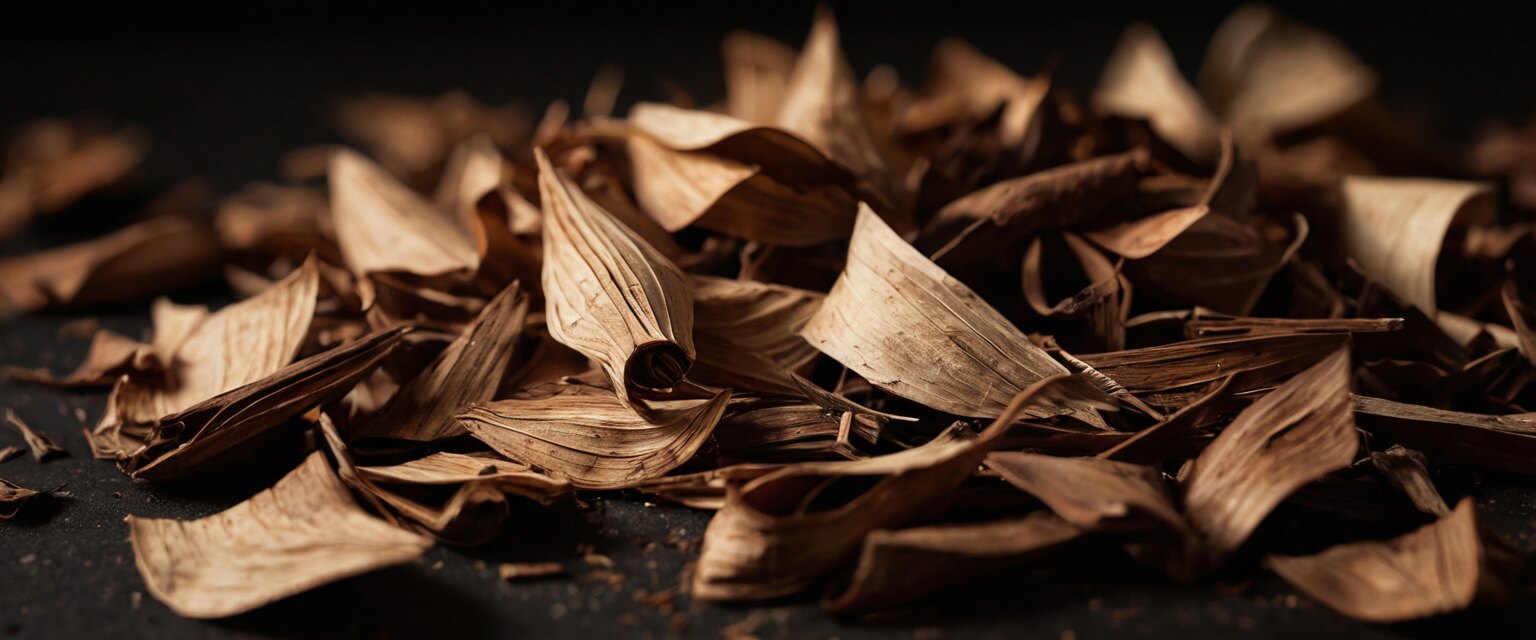
Inside a fermented, dried bean the shell sits against the nib with some moisture between and within them. Roasting drives that moisture out. As the shell dries it shrinks, becomes brittle, and loses its grip on the nib — so cracking shatters it into pieces that are light relative to the nib and can be separated by air.

Two properties matter, and they pull in opposite directions:

  • How well the shell has released — more roast, better release.
  • How the shell fragments — more roast, smaller fragments.

That tension is why yield has a sweet spot rather than simply improving with more heat.

Under-roasted: the shell clings

Not dried enough, the shell stays leathery rather than brittle. Cracking tears it instead of shattering it, and pieces stay attached to nib.

You then get to choose which loss you prefer. Winnow aggressively enough to remove the clinging husk and you blow good nib out with it. Winnow gently to protect the nib and you carry husk through into the melanger — where it becomes grit in the finished bar, and no downstream step removes it.

Symptoms: visible shell still attached after cracking; unusually heavy husk fraction; grit in the finished chocolate.

Over-roasted: the shell shatters too far

Pushed too far, the shell becomes brittle enough to break into fragments approaching the size of small nib pieces. Winnowing separates by weight and aerodynamics, so when husk fragments and nib fragments converge in size, separation gets harder.

You also lose more nib to breakage generally, because over-roasted nib is more friable.

Symptoms: a lot of fine dust at cracking; husk and nib fractions that will not cleanly separate however you adjust the airflow.

The one nobody expects: uneven roasting

An uneven batch is the worst case for yield, because it contains both problems simultaneously. Some beans are under-roasted with clinging shell; others are over-roasted and shattering fine. There is no winnower setting that handles both, so whatever you choose, part of the batch is mishandled.

This is where roasting evenly stops being an aesthetic concern and becomes money. The usual causes are beans that are not tumbling properly — most often vane length, since cacao needs more clearance to toss than full-length vanes allow — a charge level wrong for the drum, or mixed bean sizes. See cacao roast defects.

How to find your own sweet spot

Yield is measurable, which makes this one of the easier things to optimise — if you keep records.

  1. Weigh the green charge.
  2. Weigh the roasted beans (you will have lost moisture).
  3. Weigh the nib after winnowing, and weigh the husk fraction.
  4. Record those alongside the roast profile that produced them.

Do that for a handful of roasts at different finish temperatures on the same origin and the relationship becomes obvious. Because your finish temperature is a number you chose — assuming you can see bean temperature at all — you can then hit that sweet spot deliberately every time.

That is the practical argument for logging: RoastPilot saves each session's curve, so "the profile that gave us the best yield" is a file you re-run rather than a thing you half-remember.

Common questions

Why is my cacao husk not separating cleanly?

Usually an under-roast. If the shell has not dried enough it stays leathery rather than brittle, so cracking tears it instead of shattering it and pieces stay attached to the nib. You are then forced to choose between winnowing hard and losing nib, or winnowing gently and carrying husk into the melanger as grit.

Can you over-roast cacao for winnowing?

Yes. Pushed too far the shell becomes brittle enough to shatter into fragments approaching the size of small nib pieces. Since winnowing separates by weight and aerodynamics, husk and nib that converge in size are much harder to separate — and over-roasted nib is more friable, so you lose more to breakage.

How does roasting affect winnowing yield?

Directly. The roast dries and embrittles the husk so it releases from the nib. Too little and the shell clings; too much and it fragments too finely to separate cleanly. There is a sweet spot rather than a simple more-is-better relationship, and it is set by your finish temperature.

How do I find the best roast for winnowing yield?

Measure it. Weigh the green charge, the roasted beans, the nib after winnowing and the husk fraction, and record all four against the roast profile that produced them. Do that across several finish temperatures on one origin and the relationship becomes clear — then re-run the profile that won.

Keep reading

Where the roast ends and chocolate begins

Everything above is roasting — heat, time, temperature, moisture, how a bean behaves in a turning drum. That is our trade, and we will talk about it all day.

What happens after the roast is a different craft, and not ours. For fermentation, origin selection, winnowing technique, refining, conching, tempering and recipes, go to Chocolate Alchemy — John Nanci has been the reference on craft chocolate since 2004. Their complete bean-to-bar guide, the Ask the Alchemist archive and the forum will take you further than we could, and they run an all-day drum roasting seminar worth the trip.

Get the roast right with us. Get the chocolate right with them.