
How to Get Coffee Into Customer's Hands
You’re leaning towards starting a microroastery of your own—but you’re still trying to figure out the best way to get that delicious coffee to your target customers. As you can imagine, deciding how you’ll get that coffee into the hands (and mugs) of your customer base is one of the most important choices you’ll make. In many ways, your business model and brand will be derived from your delivery method.
Not sure where to begin? Explore some common coffee delivery methods below, as well as some pros and cons for each. From there, you’ll be equipped with more of the information you need to reach a decision.
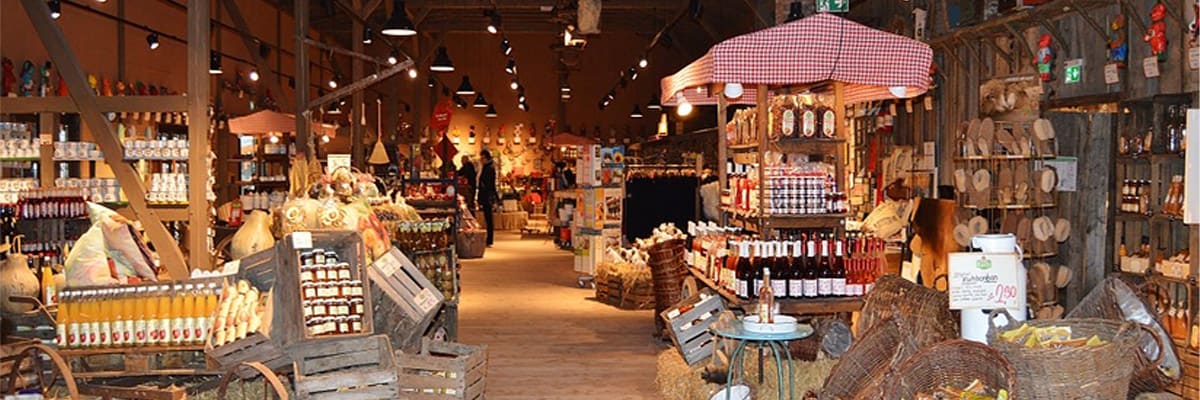
Farmer's Markets
If you’ve ever been to a farmer’s market, you’ve seen first-hand the appreciation buyers have for homemade goods. Coffee is no different here; your roasted coffee, with thoughtful enough packaging, can fit in quite nicely at a local farmer’s market—making this an excellent starting point for many microroasters.
Advantages
When you sell your fresh roasted coffee at a farmer’s market, you’ll enjoy the time and hassle you save by not having to do much in the way of marketing.
By simply having a small stand/display set up at the farmer's market, you'll automatically have dozens (if not hundreds) of prospective customers right in front of you.
Rather than focusing your efforts on marketing and advertising, then, you can put extra care into making sure your coffee is ready to serve up on market day. And on the day of the farmer’s market, you won’t need much in the way of supplies. You can even give out small samples of your coffee to draw extra foot traffic to your table; all you’ll need is a coffee maker, some cups, and some cream/sugar!
Potential Drawbacks
One of the biggest drawbacks to selling your coffee at a farmer’s market is the inherent competition; even if you’re the only microroaster there, there will still be dozens of other vendors trying to sell their products and goods. As a result, you’ll need to put a fair amount of time and effort into creating an eye-catching display that will get potential customers to stop at your table.
You might also need special permits, licenses, and insurance to sell consumable goods at your local farmer’s market, and these can take time (and money) to obtain. And speaking of time, some farmer’s markets may be so popular that they have a waiting list for vendors. And of course, depending on where you live, your local farmer’s market may not be open year-round.