The coffee that is not coffee
Walk into a bar in Italy and ask for an orzo and you get something that looks exactly like an espresso, arrives in the same cup, and is made from roasted barley. Caffè d'orzo is not a novelty there and it is not a health fad. It is a normal thing to order, it has been on the menu for generations, and children and adults drink it in the afternoon without anybody remarking on it.
It belongs to a much older and wider tradition. Roasted grain and roasted roots have stood in for coffee wherever coffee was expensive, rationed or unavailable: barley, rye, chicory, acorns, dandelion root, whatever was to hand. Most of those were compromises made under duress. Barley is the one that stuck around after the shortage ended, because it is genuinely good.
It is also, from a roasting point of view, one of the most interesting things you can put in a drum, and one of the least documented. There is plenty written about how to brew it. There is almost nothing written about how to roast it.
Why roast your own
The commercial product is fine, and it is roasted to one profile: very dark, very uniform, aimed at a cup that reads as close to coffee as possible. That is a reasonable target for a factory and a narrow one for you.
Roast your own and the whole range opens up. Stop earlier and the cup is maltier and sweeter, with a bread-and-toast character behind it. Take it further and it turns roasty, bitter and much more coffee-like. Take it further still and it goes ashy, which you will also want to do once so that you know where the edge is. None of those are available in a tin.
The other reasons are practical. Barley is inexpensive and sold everywhere. There is no caffeine in it at all, which is the whole point for a lot of people and means a cup at nine in the evening is not a decision. And it is an excellent way to learn the dark end of grain roasting on a product where a slightly overcooked batch costs you almost nothing.
Which barley to buy
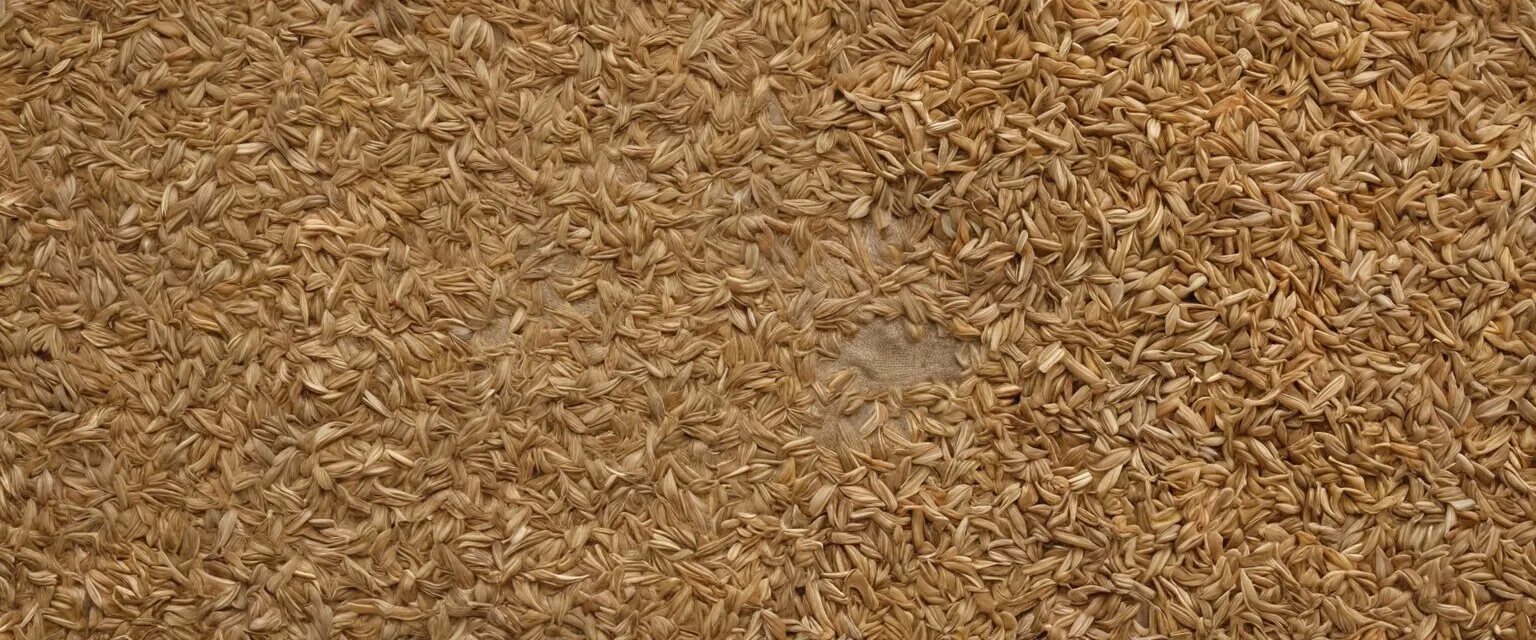
Pearled barley from a supermarket is the usual starting point. It is cheap, widely available and consistent, and it has already had the hull removed, which means less chaff and less smoke in the drum. Hulled barley works too and carries a bit more husk character.
Malted barley is a different drink. It has been germinated and kilned before you get it, so it starts sweeter and roasts to something rounder and maltier at the same colour. Both are worth trying. Unmalted pearled barley gives the cleaner, drier, more coffee-like result that most people are after when they search for barley coffee.
Whichever you choose, it is small. Which brings us to the equipment problem.