Let’s look at what coffee roasting is, and should be.
What happens during the ideal roast
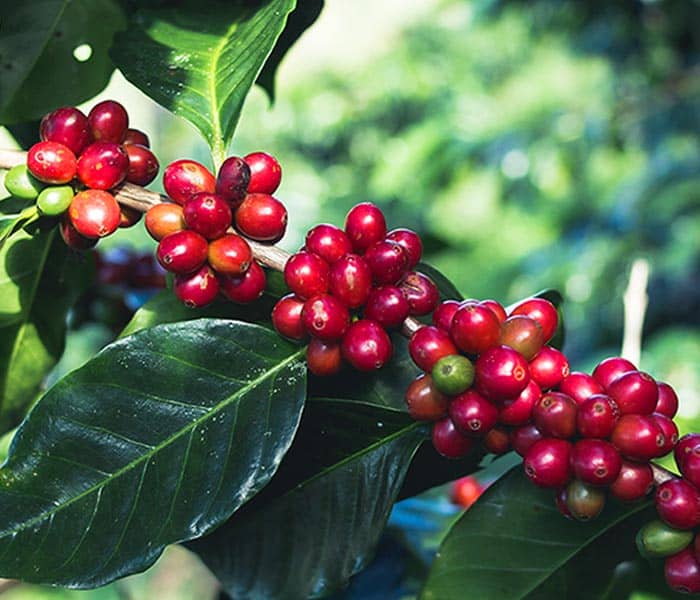
First of all coffee is a seed, of the arabica or robusta tree. It generally has between 9-14% water inside of it. Yes, the same kind of water in our pots in the 4 experiments. When we roast the coffee, at a certain point, that water reaches the boiling point and begins to escape the bean with an audible low-volume “POP”. This commonly sounds the same as popcorn in the microwave popping, just lower volume. This is commonly what people refer to as 1st crack. It’s generally one of two indicators of the status of our roast. As the water boils away from the bean, and as we keep heating it, the bean begins to caramelize and the structure of the bean begins to expand, and stretch as the internal sugars begin to caramelize. This builds up stress in the bean to at which point the bean’s shell fractures and cracks.
This cracking can be heard and is commonly referred to as 2nd crack. This second crack ideally happens 1-3 minutes after 1st crack. 2nd crack will sound like a tiny twig snapping, or often described as the same sound as the “snap, crackle and pop” sound that comes from the famed Rice Krispies cereal. You can hear it if you put your ear down to it. 2nd crack sounds about like this, just louder. You want to begin to notice this higher change in pitch, “snap” of 2nd crack vs the “pop” of 1st crack. You can miss the difference if you’re not paying attention, or if you’ve not yet enough experience to tell the difference.
This second crack should be your indicator of when to stop the roast if you’re a beginner and, for the most part any roaster generally should not exceed 1 minute past 2nd crack, pretty much ever. Fire comes next.
I recommend that you pull your coffee for cooling at a place I have coined “10-in-10” That’s 10 cracks within a 10 second window. This should be your marker for the official 2nd crack start, where most beans are just starting to undergo 2nd crack. Some beans have the tendency to fire early, and this is a poor indicator of the arrival of second crack.
So once we have determined the amount of heat needed to cause 1st crack and 2nd crack to arrive at just the right time, then we can roast back to back, day after day, using that same volume and same temperature to repeatedly roast over and over with an absolute degree of accuracy, even to the point of being able to predict 1st and 2nd crack to within 15 seconds. Much like boiling the same 1 cup of water at a setting of five on the stove would cause the water to boil at exactly the same time every time. This is our end goal.